Providing Care, Guidance, and Stability for Those Who Need It Most


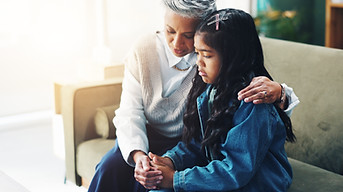


Kinship Care for Vulnerable Individuals
For Caregivers & Kinship Families
Standing with families when care changes.
Raising Kin Foundation equips relatives and kinship caregivers with practical support, guidance, and community—ensuring children, elders, and vulnerable adults with mental illness or intellectual disabilities remain safe and supported after the loss or absence of a primary caregiver.
Care

Essentials
Standing With Families When Care Changes.
For Caregivers & Kinship Families
From Experience to Empowerment

Born from Love and Loss
Raising Kin Foundation was born from lived experience—losing a primary caregiver and later stepping up to care for loved ones. Our journey is rooted in compassion and resilience.

Children First, Always
Losing a caregiver can turn a child’s world upside down. We offer emotional, social, and practical support to help them heal and thrive.

Stepping Up as Family and Community
We believe caregiving is not just a family duty—it is a community responsibility. Together, we can create a network of support.

Resources and Guidance for Caregivers
Suddenly becoming a caregiver can be overwhelming. We connect families with resources, education, and ongoing guidance to make the transition smoother.
Why Raising Kin Foundation Exists
We support children and vulnerable individuals whose lives are upended by the loss or absence of a primary caregiver.

Supporting Vulnerable Adults
From elders with dementia to individuals with intellectual and mental disabilities, we ensure no one is left without the care and resources they deserve.
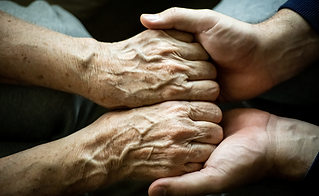
Maintaining Normalcy in Uncertain Times
Our mission is to help families and vulnerable individuals restore stability and regain a sense of normalcy, even in the moments when life feels turned upside down.

Healing Through Connection
Grief and adjustment aren’t journeys to walk alone. Our programs foster connection, healing, and hope.
Our Mission, Vision, and Prayer

Expanding Beyond Children
While our work began with children, our foundation has grown to serve the elderly, individuals with intellectual disabilities, and those with severe mental illness—because caregiving challenges touch every stage of life.

Our Mission, Vision, and Prayer
Our vision and prayer at Raising Kin Foundation is to create a world where no vulnerable individual is left without stability or care when a primary caregiver is absent—restoring hope, dignity, and love to every life we touch.
Things to Know
Understanding Kinship Care: https://content.govdelivery.com/accounts/USACFCWIG/bulletins/3b305ca
How to become approved Kinship Caregiver in Virginia:
https://www.kinshipvirginia.com/#gsc.tab=0 https://www.dss.virginia.gov/nam/downloads/kinship_care_brochure_web.pdf
Kinship Care for Vulnerable Adults:
https://www.aarp.org/caregiving/landing/
Governor Youngkin's initiative on kinship care in children:
https://www.governor.virginia.gov/newsroom/news-releases/2024/may/name-1027171-en.html
PowerPoint presentation Dependent Elderly within Hampton Roads:
Community Wisdom in Action

What is Kinship Care?
Kinship care is a family- and community-centered approach where children, older adults, or other vulnerable individuals are cared for by relatives, close family friends, or trusted community members. Instead of entering foster care or institutional settings, they remain in a familiar, supportive environment that strengthens their sense of belonging, stability, and cultural identity.
Kinship care may be:
-
Formal – approved and supported by child welfare or social service agencies.
-
Informal – arranged privately within families or communities without state involvement.
When utilized appropriately and early on before the loss or absent of primary caregiver these models not only protect vulnerable individuals but also preserves family ties, reduces trauma, and promotes long-term well-being.

Why Kinship Care Matters
1. Sense of Belonging and Stability
Kinship care allows children, elders, and individuals with disabilities to remain connected to family or trusted community members. This continuity provides emotional security and reduces the trauma often associated with placement in unfamiliar foster or institutional settings.
2. Preserves Family and Cultural Identity
Being raised or cared for by relatives or within the community helps maintain cultural traditions, family values, and identity. This is especially important for vulnerable individuals who may already feel isolated or misunderstood.
3. Improves Mental and Emotional Health
Research shows that children in kinship care experience fewer behavioral problems, better school performance, and stronger mental health outcomes compared to those in non-relative foster care. Vulnerable adults also benefit from the comfort of familiar surroundings and caregivers.
4. Long-Term Support
Kinship care often extends beyond temporary needs, creating lifelong bonds of support. Relatives are more likely to stay connected, even as circumstances change.
5. Cost-Effective and Community-Strengthening
Kinship care reduces reliance on institutional care systems, lowers state and federal costs, and strengthens families and communities by keeping care close to home.

Kinship Care vs. Traditional Foster and Institutional Care
Unlike foster and institutional care, kinship care centers on family and community connections, giving children and other vulnerable individuals a stronger sense of belonging and lasting support.
For Caregivers
Planned program 2026: Assists relatives or community members who take on caregiving roles without time to prepare financially. This may include rent assistance, utilities, food, or respite care (working with local businesses and partners to provide this services).
Need help now?
➜ Call or text 988 for mental health support
➜ In immediate danger, call 911
➜ Email us at acsservicesva@gmail.com for local resources
Respite & Wellness
Planned program 2026: Short & long term relief (partnering with adult day centers, child day centers, summer programs), peer groups, and wellness resources to prevent caregiver burnout. This will be achieved by working with local businesses and partners.
For the Elderly or Disabled
Planned program 2026: Provides immediate resources for medication, in-home care, equipment, or safe housing when traditional funding or benefits are delayed. This will be achieved by working with local businesses and partners.
Caregiver Navigation
Planned program 2026: One-on-one guidance on benefits, services, school, or healthcare coordination, and legal next steps (uncontested guardianship, living will, trust, power of attorney, etc). This will be achieved by working with local businesses and partners.
For Children in Kinship Care
Planned program 2026: Helps cover sudden expenses like school supplies, clothing, transportation, or medical needs when a child is unexpectedly placed with relatives. This will be achieved by working with local businesses and partners.